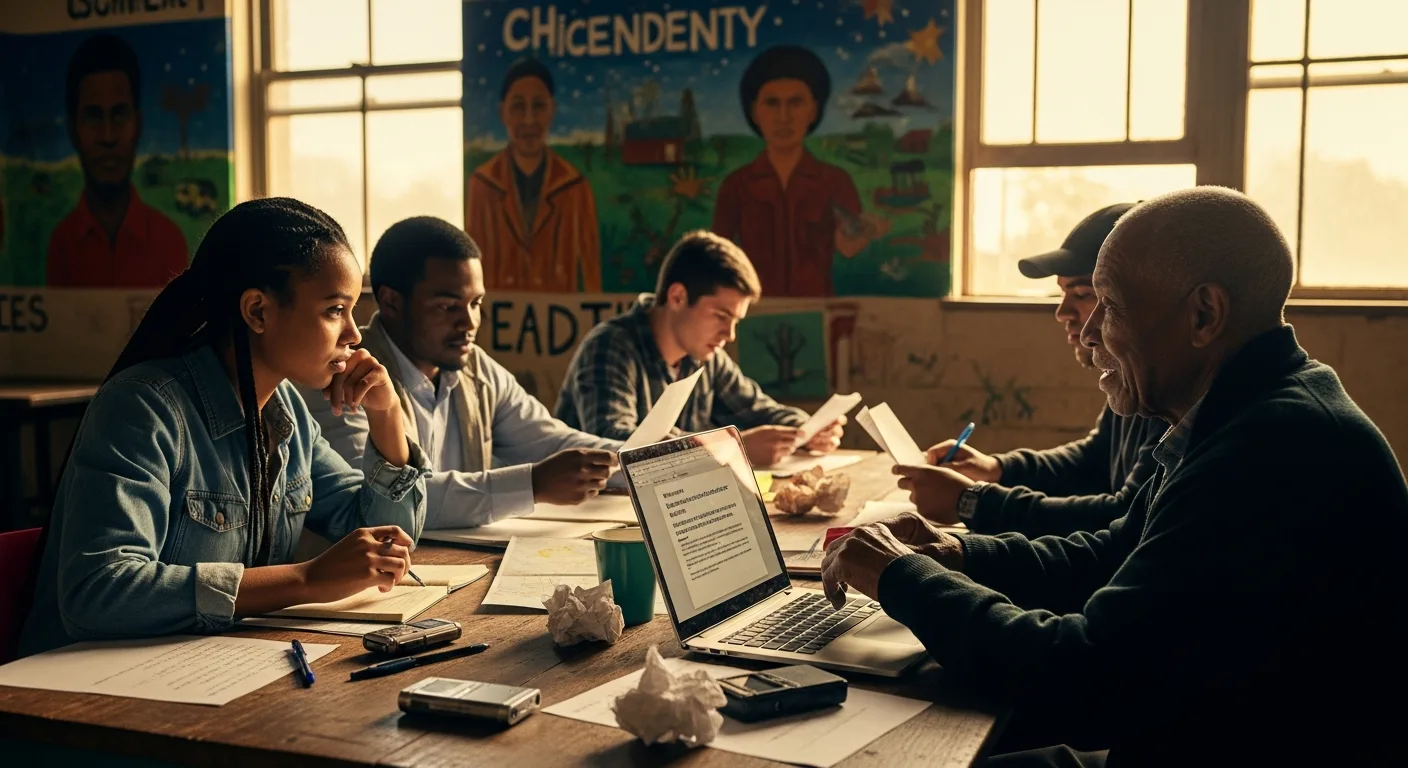
Amplifying Marginalized Voices: A Step-by-Step Guide to Ethical Storytelling
In an increasingly interconnected world, the importance of amplifying marginalized voices has never been more critical. But good intentions aren’t enough. Ethical considerations must be at the forefront of any storytelling effort. Are you truly giving voice, or are you inadvertently perpetuating harmful stereotypes?
Understanding the Landscape of Representation
Before embarking on any storytelling project, it’s essential to understand the current landscape of representation. This involves acknowledging the historical and ongoing underrepresentation and misrepresentation of various groups in media, literature, and popular culture.
Start by researching the specific community you aim to represent. What are the common stereotypes associated with this group? What are the unique challenges they face? What are their strengths and contributions? Consult academic research, reports from advocacy organizations, and first-person accounts from members of the community. For example, GLAAD (Gay & Lesbian Alliance Against Defamation) provides valuable resources on LGBTQ+ representation in media.
Consider the power dynamics at play. Who traditionally holds the power in storytelling? Who gets to decide which stories are told and how? Recognize your own positionality and potential biases. Are you an insider or an outsider to the community? If you’re an outsider, acknowledge your limitations and actively seek guidance from community members.
In 2025, the Geena Davis Institute on Gender in Media released a study showing that women only accounted for 37% of major characters in films globally. This highlights the ongoing need for improved gender representation.
Building Trust and Relationships with Marginalized Communities
Ethical storytelling hinges on building trust and authentic relationships with the communities you wish to represent. This is not a transactional process; it requires genuine engagement, active listening, and a commitment to long-term collaboration.
First, identify potential partners within the community. This could include community leaders, advocacy groups, cultural organizations, or individuals with lived experience. Reach out to them respectfully and explain your project’s goals. Emphasize your commitment to ethical storytelling and your willingness to learn from their expertise.
Be prepared to listen more than you speak. Ask open-ended questions and create a safe space for community members to share their stories and perspectives. Avoid making assumptions or imposing your own narrative. Respect their boundaries and honor their requests for anonymity or confidentiality.
Compensate community members fairly for their time and contributions. This could include paying them for interviews, consulting fees, or royalties. Remember that their stories are valuable, and they deserve to be recognized and rewarded for their expertise.
Crafting Authentic and Nuanced Narratives
Once you’ve built trust and established relationships, you can begin the process of crafting authentic narratives. This involves moving beyond stereotypes and exploring the complexities and nuances of human experience.
Focus on telling specific, individual stories rather than generalizing about entire communities. Each person has a unique perspective and lived experience, and it’s important to honor that individuality. Avoid reducing characters to their identity markers (e.g., their race, gender, or sexual orientation). Instead, focus on their hopes, dreams, fears, and motivations.
Use inclusive language that respects the dignity and humanity of all people. Avoid using derogatory or offensive terms. Consult with community members to ensure that your language is appropriate and respectful.
Be mindful of the potential impact of your story on the community. Will it reinforce harmful stereotypes? Will it expose vulnerable individuals to risk? Consider the potential consequences and take steps to mitigate any negative impacts.
For example, if you’re telling a story about a survivor of sexual assault, be sure to obtain their informed consent and protect their privacy. Avoid sensationalizing their trauma or portraying them as a victim. Instead, focus on their resilience and strength.
The Importance of Diverse Storytelling Teams
Diverse storytelling teams are crucial for ensuring ethical and authentic representation. When people from marginalized communities are involved in the creative process, they can bring their lived experiences and perspectives to the table, challenging assumptions and preventing harmful stereotypes.
Strive to create a team that reflects the diversity of the community you’re representing. This includes people of different races, ethnicities, genders, sexual orientations, abilities, and socioeconomic backgrounds. Ensure that diverse team members have meaningful roles and influence in the creative process. Don’t just tokenise them.
Provide training and resources to help team members understand cultural sensitivity and inclusive storytelling practices. This could include workshops on implicit bias, microaggressions, and allyship.
Create a culture of open communication and feedback. Encourage team members to challenge each other’s assumptions and offer constructive criticism. Be willing to listen and learn from diverse perspectives.
Asana or similar project management tools can facilitate communication and collaboration within diverse teams, ensuring everyone’s voice is heard.
Avoiding Harmful Stereotypes and Tropes
One of the most important aspects of ethical storytelling is avoiding harmful stereotypes and tropes. Stereotypes are oversimplified and often negative generalizations about entire groups of people. Tropes are recurring themes or motifs that can reinforce harmful stereotypes.
Be aware of the common stereotypes associated with the community you’re representing. Research the history and origins of these stereotypes. Understand how they have been used to justify discrimination and oppression.
Challenge stereotypes by creating characters who are complex, nuanced, and multi-dimensional. Avoid reducing characters to their identity markers or portraying them as caricatures. Give them agency and allow them to defy expectations.
Be mindful of the potential impact of your story on the community. Will it reinforce harmful stereotypes? Will it perpetuate negative biases? Consider the potential consequences and take steps to mitigate any negative impacts.
If you’re unsure whether a particular portrayal is problematic, consult with community members or experts in cultural sensitivity. Be willing to revise your story based on their feedback.
A study published in 2024 by the University of Southern California Annenberg Inclusion Initiative found that stereotypical portrayals of people of color in film and television continue to be prevalent, despite increased awareness of the issue.
Measuring Impact and Ensuring Accountability
Ethical storytelling is an ongoing process that requires continuous reflection and improvement. It’s important to measure the impact of your work and hold yourself accountable for your actions.
Seek feedback from community members and audiences. What did they think of your story? Did it resonate with them? Did it feel authentic and respectful? Be open to criticism and willing to learn from your mistakes.
Track the representation of marginalized groups in your work. Are you consistently including diverse characters and perspectives? Are you avoiding harmful stereotypes?
Be transparent about your process and your goals. Share your learnings with others and encourage them to adopt ethical storytelling practices.
Consider using tools like Google Analytics to track audience engagement with your content and identify areas for improvement.
Ultimately, ethical storytelling is about creating a more just and equitable world. By amplifying marginalized voices and challenging harmful stereotypes, we can help to build a society where everyone feels seen, heard, and valued.
In conclusion, amplifying marginalized voices requires a commitment to ethical storytelling. By understanding the landscape of representation, building trust, crafting authentic narratives, fostering diverse teams, avoiding harmful stereotypes, and measuring our impact, we can create stories that promote understanding, empathy, and social justice. Are you ready to commit to telling stories that truly matter?
Why is it important to amplify marginalized voices?
Amplifying marginalized voices is crucial because it helps to challenge systemic inequalities, promote understanding and empathy, and create a more inclusive society. It allows for diverse perspectives to be heard, which can lead to more equitable policies and practices.
How can I ensure I’m not appropriating someone else’s story?
Avoid appropriation by centering the voices of individuals from the community you’re representing. Work in close collaboration with them, ensuring they have agency over how their stories are told. Compensate them fairly for their time and expertise, and always give credit where it’s due.
What are some common stereotypes to avoid when representing marginalized groups?
Common stereotypes vary depending on the group but often include reducing individuals to their trauma, portraying them as helpless or dependent, or using them as tokens to fulfill diversity quotas. Research the specific stereotypes associated with the community you’re representing and actively work to challenge them.
How can I measure the impact of my storytelling efforts?
Measure the impact by seeking feedback from community members and audiences. Track the representation of marginalized groups in your work, and be transparent about your process and goals. Use analytics tools to monitor audience engagement and identify areas for improvement.
What role does diversity play in creating ethical stories?
Diversity is essential for ethical storytelling. Diverse storytelling teams bring different perspectives and lived experiences to the table, which helps to challenge assumptions, prevent harmful stereotypes, and ensure that stories are told authentically and respectfully.