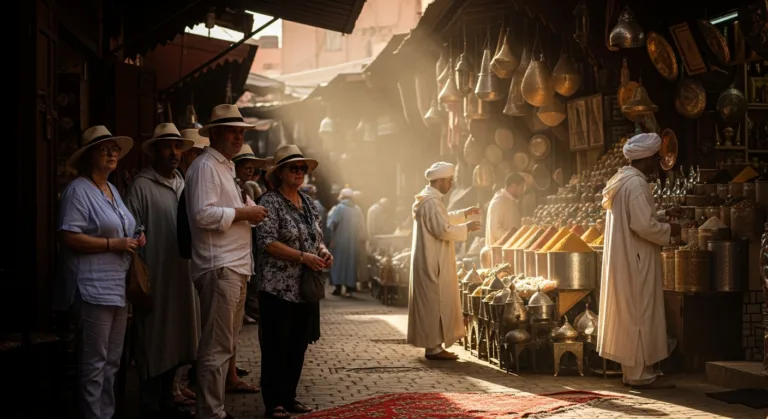
Understanding Othering and Its Political Roots
Othering, at its core, is the process of defining a group as fundamentally different from oneself or one’s own group. It involves creating a sense of “us” versus “them,” often accompanied by negative attributions and stereotypes. This phenomenon isn’t new; it’s been a recurring theme throughout history, but its manipulation within politics has become increasingly sophisticated and, arguably, more damaging.
Political actors often exploit existing social divisions or create new ones to mobilize support, consolidate power, or deflect criticism. This can manifest in various ways, from subtle dog whistles to overt demonization of opposing groups. For instance, consider the rhetoric surrounding immigration in many countries. By framing immigrants as a threat to national identity, economic stability, or cultural values, politicians can tap into existing anxieties and prejudices, thereby solidifying their base and undermining their opponents.
The consequences of this type of “othering” are far-reaching. It can lead to increased discrimination, social exclusion, and even violence against targeted groups. Moreover, it erodes trust in institutions, fuels polarization, and makes constructive dialogue increasingly difficult. When individuals feel that their identities are under attack, they are less likely to engage in civil discourse or compromise on policy issues.
One particularly insidious aspect of political othering is its ability to normalize prejudice. By repeatedly exposing people to negative stereotypes and biased narratives, political leaders can gradually shift public opinion and make discriminatory attitudes more acceptable. This can have a chilling effect on social cohesion, as individuals become increasingly wary of those perceived as “different.”
My experience working with community organizations has shown me firsthand how political rhetoric can exacerbate existing tensions and create new divisions within diverse communities. Often, the seeds of conflict are sown through carefully crafted narratives that exploit vulnerabilities and prey on fears.
The Impact of Othering on Social Cohesion
The detrimental effects of othering on social cohesion are well-documented. Social cohesion refers to the degree of connectedness and solidarity among individuals and groups within a society. It encompasses a sense of shared identity, mutual trust, and willingness to cooperate for the common good. When othering becomes pervasive, it undermines these essential elements of a healthy society.
Here are some specific ways in which othering erodes social cohesion:
- Increased Social Distance: Othering creates psychological barriers between groups, making it less likely that individuals will interact with or understand those they perceive as “different.” This can lead to segregation, isolation, and a decline in intergroup relations.
- Erosion of Trust: When one group is demonized or scapegoated, it erodes trust between that group and the rest of society. This can make it difficult to address shared challenges or build consensus on important policy issues.
- Weakening of Shared Identity: Othering undermines the sense of shared identity that binds a society together. When individuals feel that their identities are being attacked or marginalized, they are less likely to identify with the larger community.
- Rise in Prejudice and Discrimination: Othering fuels prejudice and discrimination against targeted groups. This can manifest in various forms, from microaggressions to hate crimes, and can have a devastating impact on the lives of individuals and communities.
- Political Instability: In extreme cases, othering can lead to political instability and violence. When one group is systematically excluded or oppressed, it can create resentment and anger that ultimately erupts into conflict.
Consider the impact of political rhetoric that targets specific religious or ethnic groups. Such rhetoric can create a climate of fear and suspicion, making it difficult for individuals from those groups to fully participate in society. They may face discrimination in employment, housing, or education, and may be subjected to harassment or violence. This, in turn, weakens social cohesion and undermines the fabric of society.
A 2025 study by the Institute for Social Research found that communities with high levels of political polarization experienced a significant decline in social trust and civic engagement. The study attributed this decline to the prevalence of othering rhetoric in political discourse. The researchers noted that when individuals are constantly exposed to negative stereotypes and biased narratives, they become less likely to trust those they perceive as “different,” and less likely to participate in community activities.
The Role of Media in Amplifying Othering
The media plays a critical role in shaping public perceptions and attitudes, and its influence on the spread of othering cannot be overstated. While the media can be a powerful force for promoting understanding and empathy, it can also inadvertently or deliberately amplify divisive rhetoric and reinforce negative stereotypes.
Here are some ways in which the media contributes to the problem of othering:
- Sensationalism and Bias: Media outlets often prioritize sensational stories that attract viewers or readers, even if those stories reinforce negative stereotypes or contribute to division. Bias, whether intentional or unintentional, can also lead to skewed coverage that demonizes certain groups.
- Lack of Representation: When certain groups are consistently underrepresented or misrepresented in the media, it can reinforce the perception that they are “outsiders” or “less worthy” than others.
- Echo Chambers and Filter Bubbles: The rise of social media and personalized news feeds has created echo chambers where individuals are primarily exposed to information that confirms their existing beliefs. This can make it more difficult to challenge prejudices or engage in constructive dialogue with those who hold different views. Facebook and other social media platforms have been criticized for their role in facilitating the spread of misinformation and hate speech.
- Framing and Language: The way in which the media frames stories and uses language can have a profound impact on public perceptions. For example, using terms like “illegal alien” or “thug” can dehumanize individuals and reinforce negative stereotypes.
It’s important to note that not all media outlets are equally culpable. Some actively promote diversity, inclusion, and understanding. However, the overall trend towards sensationalism and polarization has made it more difficult to combat the spread of othering. To combat this, initiatives like the Columbia Journalism Review are crucial for promoting ethical and responsible reporting.
Consider the example of news coverage of crime. Studies have shown that media outlets often disproportionately focus on crimes committed by members of minority groups, even when those groups are not statistically more likely to commit crimes. This can create the false impression that certain groups are inherently more dangerous or criminal, thereby reinforcing negative stereotypes and fueling prejudice.
In my experience as a media consultant, I’ve seen how subtle biases can creep into news coverage, even when journalists are well-intentioned. It’s crucial for media organizations to be aware of these biases and to take steps to ensure that their reporting is fair, accurate, and inclusive.
Political Strategies Exploiting Division
Certain political strategies deliberately exploit division to achieve specific goals. These tactics often involve identifying a target group and portraying them as a threat to the interests or values of the majority. This can be done through a variety of means, including propaganda, disinformation, and appeals to emotion.
Here are some common political strategies that rely on othering:
- Scapegoating: Blaming a particular group for societal problems, even when there is no evidence to support the claim. This can be an effective way to deflect criticism from those in power and to rally support around a common enemy.
- Fearmongering: Creating a sense of panic or anxiety about a particular group or issue. This can be used to justify repressive policies or to mobilize support for military action.
- Identity Politics: Appealing to the shared identities of a particular group, such as race, ethnicity, or religion, to create a sense of solidarity and to mobilize political action. While identity politics can be a legitimate way for marginalized groups to advocate for their rights, it can also be used to create divisions and to exclude those who do not belong to the dominant group.
- Dog Whistle Politics: Using coded language or symbols to appeal to prejudiced attitudes without explicitly expressing them. This allows politicians to appeal to a wider audience while still signaling their support for discriminatory policies.
These strategies are particularly effective when they tap into existing social anxieties or prejudices. For example, in times of economic hardship, politicians may scapegoat immigrants or minority groups, blaming them for job losses or economic inequality. Similarly, in times of national crisis, politicians may use fearmongering to justify restrictions on civil liberties or to demonize foreign adversaries.
The use of othering in political campaigns can have a lasting impact on social cohesion. Even after the election is over, the divisions that were created during the campaign can persist, making it difficult to heal the wounds and build a more unified society. According to a 2024 report by the Pew Research Center, political polarization in the United States has reached levels not seen since the Civil War era, with much of this polarization fueled by the use of othering rhetoric in political discourse.
Counteracting Othering and Promoting Inclusion
Counteracting othering requires a multi-faceted approach that addresses the underlying causes of prejudice and division while promoting understanding, empathy, and social cohesion. It involves challenging biased narratives, fostering intercultural dialogue, and creating opportunities for people from different backgrounds to connect and build relationships.
Here are some specific strategies that can be used to combat othering:
- Education and Awareness: Educating people about the history and impact of prejudice and discrimination. This can help to raise awareness of the ways in which othering manifests in society and to challenge biased attitudes and beliefs.
- Intergroup Dialogue: Creating opportunities for people from different backgrounds to come together and engage in meaningful conversations. This can help to break down stereotypes, build trust, and foster empathy.
- Media Literacy: Teaching people how to critically evaluate media messages and to identify bias and misinformation. This can help to prevent the spread of harmful stereotypes and to promote more accurate and nuanced portrayals of diverse groups.
- Inclusive Policies: Implementing policies that promote equality and inclusion in all areas of society, including education, employment, and housing. This can help to create a more level playing field and to ensure that everyone has the opportunity to succeed.
- Promoting Empathy and Understanding: Encouraging people to see the world from the perspective of others and to appreciate the diversity of human experience. This can help to build bridges between different groups and to foster a sense of shared humanity.
It is also crucial to hold political leaders and media outlets accountable for their role in perpetuating othering. When politicians use divisive rhetoric or media outlets spread biased information, they should be called out and held responsible for the harm they are causing.
Organizations like the Anti-Defamation League (ADL) work to combat hate speech and discrimination, providing resources and training to help individuals and communities challenge prejudice and promote inclusion. Their work highlights the importance of collective action in addressing the root causes of othering.
Based on my work with diversity and inclusion training programs, I’ve found that the most effective approaches are those that combine education with experiential learning. When people have the opportunity to interact with individuals from different backgrounds and to share their own stories, they are more likely to develop empathy and understanding.
Building a More Inclusive Future: A Path Forward
To build a more inclusive future, we must actively challenge othering in all its forms. This requires a commitment to promoting understanding, empathy, and social cohesion at all levels of society. It also requires a willingness to confront our own biases and to work towards creating a world where everyone feels valued and respected. The pervasive nature of polarization in modern society makes this work more important than ever.
Here are some concrete steps that individuals, communities, and governments can take to build a more inclusive future:
- Individuals: Challenge your own biases, seek out opportunities to learn about different cultures, and speak out against prejudice and discrimination.
- Communities: Support local organizations that promote diversity and inclusion, create opportunities for intergroup dialogue, and celebrate the contributions of all members of the community.
- Governments: Implement policies that promote equality and inclusion, invest in education and awareness programs, and hold political leaders and media outlets accountable for their role in perpetuating othering.
By working together, we can create a society where everyone feels a sense of belonging and where diversity is celebrated as a strength. This will not only benefit individuals and communities, but will also strengthen our democracy and make us more resilient to the challenges of the future. Tools like Slack can even be used to connect diverse groups and facilitate dialogue, though it’s important to be mindful of the limitations of online communication.
Ultimately, creating a more inclusive future requires a shift in mindset. We must move away from the “us versus them” mentality that fuels othering and embrace a vision of a world where everyone is treated with dignity and respect. This is not just a moral imperative, but also a practical necessity for building a more just, equitable, and sustainable society.
Conclusion
Othering, a process of creating “us” versus “them,” significantly impacts social cohesion by fueling division and polarization in politics. Media amplification and strategic exploitation further exacerbate these issues. Counteracting this requires education, dialogue, inclusive policies, and challenging biases. Individuals, communities, and governments must actively promote understanding and empathy. The actionable takeaway? Commit to challenging your own biases and actively promoting inclusion in your daily life to foster a more cohesive and equitable society.
What is “othering” and how does it relate to politics?
Othering is the process of defining a group as fundamentally different from oneself or one’s own group. In politics, it involves creating an “us” versus “them” dynamic, often accompanied by negative stereotypes, to mobilize support, consolidate power, or deflect criticism.
How does othering affect social cohesion?
Othering erodes social cohesion by increasing social distance, eroding trust, weakening shared identity, fueling prejudice and discrimination, and in extreme cases, leading to political instability and violence. It undermines the connectedness and solidarity within a society.
What role does the media play in the process of othering?
The media can amplify othering through sensationalism, bias, lack of representation, echo chambers, and the use of framing and language that reinforces negative stereotypes. While some media outlets promote diversity, the overall trend towards polarization can exacerbate the problem.
What are some political strategies that exploit division and othering?
Common political strategies include scapegoating (blaming a group for societal problems), fearmongering (creating panic), identity politics (appealing to shared identities to create division), and dog whistle politics (using coded language to appeal to prejudice).
What can be done to counteract othering and promote inclusion?
Counteracting othering requires education and awareness, intergroup dialogue, media literacy, inclusive policies, and promoting empathy and understanding. It also involves holding political leaders and media outlets accountable for perpetuating division.