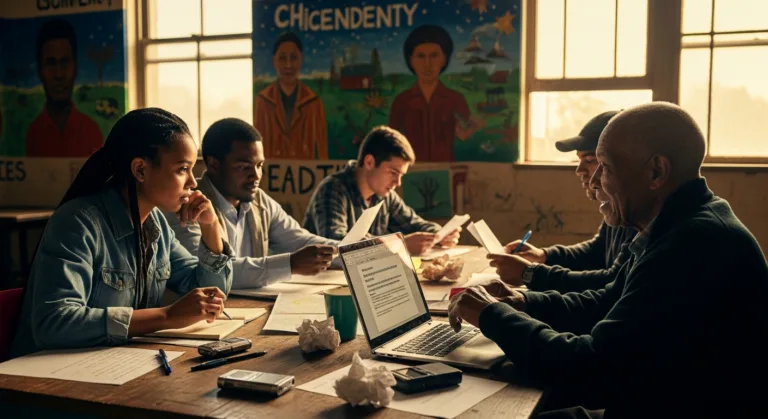
Highlighting Marginalized Voices: The Power of Podcast Interviews
Are you looking for a powerful way to amplify marginalized voices and foster genuine connection? A podcast interview can be a potent tool for representation and storytelling, breaking down barriers and building bridges of understanding. But how can you ensure your podcast truly serves as a platform for these crucial narratives?
The Urgent Need for Representation in Podcasting
The podcasting landscape, while increasingly diverse, still suffers from a significant representation gap. A 2025 study by Sounds Profitable found that while listenership is becoming more diverse, the hosts and guests often don’t reflect that same diversity. This creates a disconnect and perpetuates existing inequalities. When marginalized voices are absent from the conversation, critical perspectives are lost, and dominant narratives remain unchallenged. This isn’t just about fairness; it’s about creating a richer, more nuanced, and ultimately more accurate picture of the world.
Think about the impact of consistently hearing stories from the same demographic. It reinforces stereotypes, limits understanding, and can even lead to feelings of exclusion for those who don’t see themselves represented. By actively seeking out and amplifying marginalized voices, you not only provide a platform for their stories but also challenge the status quo and promote a more equitable media environment.
Consider the specific groups that are frequently underrepresented: people of color, members of the LGBTQIA+ community, individuals with disabilities, those from lower socioeconomic backgrounds, and those with experiences that challenge the mainstream narrative. Each of these groups holds unique perspectives and experiences that deserve to be heard.
My own experience in podcast production has shown me that actively seeking out diverse guests, even if it requires extra effort, invariably leads to richer, more engaging content that resonates with a wider audience.
Crafting Inclusive Podcast Interviews
Creating an inclusive podcast interview requires careful planning and a commitment to respectful dialogue. It’s not enough to simply invite someone from a marginalized community onto your show. You need to create a safe and supportive space where they feel comfortable sharing their story authentically.
Here’s a step-by-step approach to crafting inclusive podcast interviews:
- Research and Preparation: Don’t rely solely on your guest to educate you about their experiences. Do your own research beforehand. Understand the issues facing their community and avoid asking insensitive or uninformed questions.
- Establish Trust: Build rapport with your guest before the interview begins. Explain your intentions for the episode and assure them that you are committed to representing their story accurately and respectfully.
- Listen Actively: Pay close attention to what your guest is saying. Ask clarifying questions and allow them to lead the conversation. Don’t interrupt or steer the conversation in a direction that suits your own agenda.
- Acknowledge Your Own Biases: Be aware of your own biases and assumptions. Recognize that you may not fully understand your guest’s experiences, and be open to learning from them.
- Use Inclusive Language: Be mindful of the language you use. Avoid using jargon or terminology that may be unfamiliar to your guest or your audience. Use person-first language when referring to individuals with disabilities.
- Compensation and Recognition: Ensure your guest is fairly compensated for their time and expertise. Offer them the opportunity to promote their work or organization. Credit them properly in your show notes and on social media.
Leveraging Storytelling for Impact
Storytelling is a powerful tool for connecting with your audience on an emotional level. When marginalized voices share their stories, they can challenge stereotypes, promote empathy, and inspire action.
Think about the most impactful stories you’ve heard. What made them so memorable? Chances are, they were personal, authentic, and emotionally resonant. When interviewing guests from marginalized communities, encourage them to share their personal experiences. Ask them about the challenges they’ve faced, the triumphs they’ve celebrated, and the lessons they’ve learned.
Here are some tips for leveraging storytelling in your podcast interviews:
- Focus on the Human Element: Emphasize the human element of the story. Focus on the emotions, relationships, and experiences that make the story relatable to your audience.
- Use Vivid Language: Encourage your guest to use vivid language and imagery to bring their story to life.
- Create a Narrative Arc: Help your guest structure their story in a way that is engaging and compelling. This could involve starting with a challenge, describing the journey to overcome it, and ending with a resolution or lesson learned.
- Be Authentic: Encourage your guest to be authentic and vulnerable. The more genuine they are, the more likely they are to connect with your audience.
- Amplify Their Message: After the interview, continue to amplify your guest’s message by sharing clips on social media, writing a blog post about the episode, or featuring their work in your newsletter.
Podcast Platforms as Tools for Change
Podcast platforms have the potential to be powerful tools for social change. By providing a space for marginalized voices to be heard, they can contribute to a more just and equitable world.
Consider the reach of podcasts. Millions of people around the world listen to podcasts every day. This gives podcasters a unique opportunity to reach a large and diverse audience with their message. Platforms like Spotify Spotify, Apple Podcasts, and Google Podcasts have made it easier than ever for people to discover and listen to podcasts on a variety of topics.
Here are some ways that podcast platforms can be used as tools for change:
- Promote Awareness: Podcasts can raise awareness about important social issues, such as racism, sexism, homophobia, and ableism.
- Challenge Stereotypes: Podcasts can challenge stereotypes and promote understanding of different cultures and perspectives.
- Inspire Action: Podcasts can inspire listeners to take action on social issues, such as donating to a cause, volunteering their time, or advocating for policy changes.
- Build Community: Podcasts can create a sense of community among listeners who share similar interests and values.
- Provide Education: Podcasts can provide valuable information and resources on a variety of topics, from mental health to financial literacy.
A 2024 report by Edison Research found that listeners are more likely to trust information they hear on podcasts than on other forms of media. This makes podcasts a particularly effective tool for disseminating information and promoting social change.
Measuring Impact and Ensuring Authenticity
Measuring the impact of your podcast and ensuring authenticity are crucial for maintaining trust and achieving your goals. It’s not enough to simply produce episodes featuring marginalized voices. You need to track your progress, solicit feedback, and continuously improve your approach.
Here are some ways to measure the impact of your podcast:
- Track Download Numbers: Monitor your download numbers to see how many people are listening to your episodes.
- Analyze Listener Demographics: Use analytics tools to understand the demographics of your audience. This can help you determine whether you are reaching your target audience. Many podcast hosting platforms such as Buzzsprout offer built-in analytics.
- Solicit Feedback: Ask your listeners for feedback on your episodes. You can do this through surveys, social media polls, or by simply asking for comments and suggestions.
- Monitor Social Media Engagement: Track how people are engaging with your podcast on social media. Are they sharing your episodes? Are they leaving comments? Are they using your hashtag?
- Track Media Mentions: Monitor media mentions of your podcast. Are other publications or websites writing about your show?
Ensuring authenticity is equally important. Here are some tips for maintaining authenticity:
- Be Transparent: Be transparent about your intentions and your process. Let your listeners know why you are featuring marginalized voices and how you are working to ensure that their stories are told accurately and respectfully.
- Give Credit Where Credit Is Due: Always give credit to your guests for their contributions. Acknowledge their expertise and their experiences.
- Avoid Tokenism: Don’t just feature marginalized voices for the sake of diversity. Make sure that their stories are relevant to your podcast’s theme and that they are given ample opportunity to share their perspectives.
- Be Open to Criticism: Be open to criticism and be willing to learn from your mistakes. If you make a mistake, apologize and take steps to correct it.
- Focus on Long-Term Relationships: Build long-term relationships with the people you interview. Don’t just treat them as guests on your show. Treat them as partners in your mission to amplify marginalized voices.
Why is it important to highlight marginalized voices in podcasts?
Highlighting marginalized voices fosters inclusivity, challenges dominant narratives, and provides a platform for diverse perspectives. It promotes empathy, understanding, and social change by sharing unique experiences and insights.
How can I find guests from marginalized communities for my podcast?
Reach out to community organizations, advocacy groups, and online networks that represent marginalized communities. Attend relevant events and conferences. Use social media to connect with potential guests. Be proactive and intentional in your search.
What are some common mistakes to avoid when interviewing guests from marginalized communities?
Avoid making assumptions, asking insensitive questions, interrupting, or tokenizing guests. Do not rely on your guest to educate you on their entire community. Be mindful of your language and avoid using jargon or stereotypes.
How can I create a safe and inclusive environment for my podcast guests?
Build rapport with your guest before the interview. Explain your intentions and assure them that you are committed to representing their story accurately and respectfully. Listen actively, acknowledge your own biases, and use inclusive language.
How can I measure the impact of my podcast in amplifying marginalized voices?
Track download numbers, analyze listener demographics, solicit feedback, monitor social media engagement, and track media mentions. These metrics can help you assess whether you are reaching your target audience and making a difference.
Conclusion
Amplifying marginalized voices through podcast interviews is more than just good content; it’s a responsibility. By prioritizing representation and embracing the power of storytelling, you can create a platform that fosters understanding, challenges biases, and contributes to a more equitable world. Remember to be intentional, respectful, and authentic in your approach. What steps will you take today to elevate a marginalized voice on your podcast?